

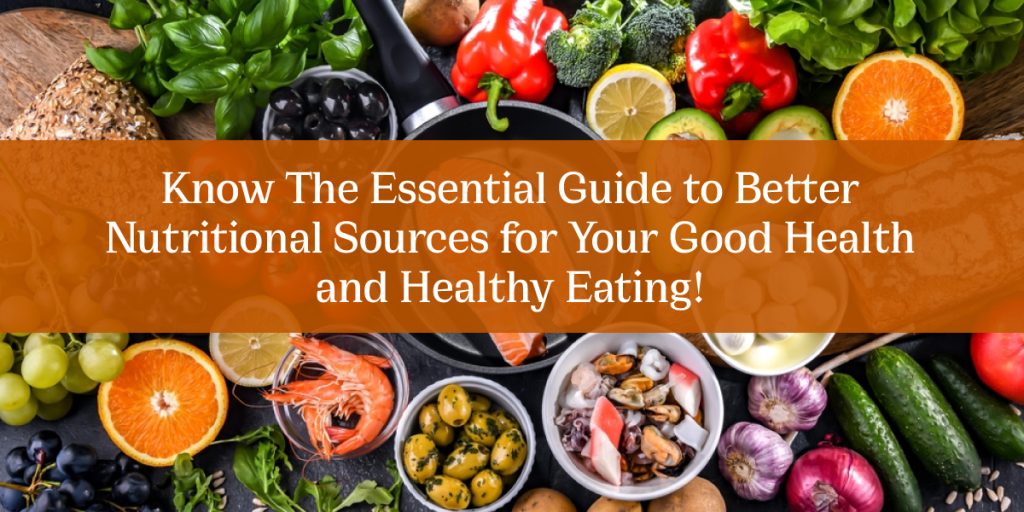
Know The Essential Guide to Better Nutritional Sources for Your Good Health and Healthy Eating!
Hey, fellow wellness seeker targeting chronic health issues from anywhere around the world. Now the stream is buzzing with TikTok diet tips and Instagram superfood ideas; oftentimes, it becomes quite easy to fall into a state of drowning in mixed messages about what to eat or not. As someone who stays through life’s ups and downs on their busy workweeks and family dinners—like many of us catching conference calls while packing school lunches—we get it. It often lacks proper nutrition, and overly relying on unhealthy street food can influence satiety, but in some contexts of health, it gives a negative health impact. Nutrition isn’t a way to obtain perfection; it helps your energy levels up, supports preventative strategies to defend against many age-related illnesses, other forms of catching chronic diseases, such as risk of osteoporosis, Coronary Artery Disease, liver disease, certain forms of cancer risks, and diabetes. Let’s break it down simply, drawing from scientific evaluation and health impacts, so you can build habits that keep you on track. But what and why do you need to keep your healthy diet routine, what kinds and use nutritional health supplements as you take in over time to keep you and your family healthy, while choosing a healthy diet plan in your lifestyle and budget? What does a healthy diet mean? Taking all-or-nothing binge diets that promise quick satiety but leave you with an unrealistically calorie-dense cycle, causing weight gain. Healthy eating means having a nutrient-dense pairing of foods that energize you, lift your endurance, aid in muscle recovery, elevate your mood, and keep you going strong. It’s not about banning your favorite pizza night or aiming for runway-ready thinness as fashion models. Instead, think of it as loading up on meals that make you feel energized and ready to tackle your morning commute or weekend hike. Therefore, healthy eating is not about deprivation or strict limitations. It is about a sustainable dietary pattern that emphasizes: Whole Foods: Choosing foods closer to their natural state. That emphasizes fresh fruits, green vegetables, savory salads, tasty tacos, lean proteins, nuts, etc. Balance Nutrients: Include a mix of macronutrients (carbohydrates, proteins, fats) and a wide range of micronutrients (all forms of vitamins and minerals) in your intake. Moderation: Eating until satisfied, not stuffed, and allowing for occasional treats without guilt. Why Nutrition Wins Your Everyday? The underlying principle of nutrition is about giving your body the regular and balanced diet it craves within your daily meals. It keeps your brain sharp for that big presentation, your muscles achieve overall stamina for a strenuous gym session, maintains your bones strong, improves skin health, improves blood circulation, and strengthens your immune system to build a defense system against seasonal infections. Good dietary principles are the foundation to achieve good health and protect your body against common woes like heart issues, diabetes, fatigue, and even some cancers—enabling you to reduce the risk of catching chronic illness. From my own experience, swapping out endless coffee runs for nutrient-packed snacks turned my afternoons from sluggish to productive. It’s not magic; it’s science. The right foods support everything from strong bones to glowing skin, making you more resilient in our high-stress culture. Breaking Down the Nutrients: Macros and Micros Explained! Nutrients come in two main groups: macronutrients and micronutrients. Macronutrients are the big players—a combination of good carbs, proteins, and dietary fats—that provide calories for energy and build your body’s structures. Carbs from sources like oats or sweet potatoes give you that immediate boost for a morning jog. Proteins, found in chicken, red meats, beans, and eggs, repair tissues after a workout. Dietary fats, such as avocados, olive oil or nuts (almonds, macadamia) are rich in fatty acids, fiber, and plant sterols, and are essential building blocks of hormone synthesis, and help absorb vitamins. Then there are micronutrients: vitamins and minerals, like vitamin C for immunity or calcium for bones. These are split into groups like water-soluble (B vitamins are excreted so easily through urine) and fat-soluble (like vitamin D stick around, meaning stored well in the body’s fatty tissue and liver). Getting a balanced diet prevents deficiencies that could sneak up and sap your vitality. Taking Plant-Based Diets! As plant-based diets grow in popularity, it is important to understand the different variations: Diet Type Allowed Foods Vegan Only plant-based foods; excludes all animal products and by-products. Lacto-vegetarian Plant foods + Dairy products. Ovo-vegetarian Plant foods + Eggs. Lacto-Ovo-vegetarian Plant foods + Dairy + Eggs. Pescatarian Plant foods + Fish and Shellfish. 3. Critical Nutrients to Monitor While a vegan diet can reduce cardiometabolic risks, it requires careful planning to avoid the following deficits: Protein Adequacy The Challenge: Plant proteins are often less digestible (50-70%) than animal proteins and may lack certain essential amino acids. Solution: Focus on diverse sources like legumes, seeds, nuts, and soy products to ensure a complete amino acid profile. Vitamin B12 The Challenge: B12 is primarily found in animal products. Deficiency can lead to irreversible neurological damage and hematological diseases. Solution: Vegans must use fortified foods or high-quality nutritional health supplements often derived from plant sources and have blood levels checked regularly. Bone Health (Calcium & Vitamin D) The Challenge: Vegans have been shown to have a higher risk of bone fractures (especially hip and leg) due to lower calcium intake and lower BMI. Solution: Incorporate calcium plus vitamin D3 supplement along with plant foods (leafy greens) and fortified milks that support strong bones and muscle growth, especially in winter months. Iron and Zinc The Challenge: Non-heme iron (from plants, especially in nuts and seeds, legumes, whole grains) is less bioavailable, over 200–400% less than heme iron (from meat), and very common in iron-deficient women. Phytates (also called an “anti-nutrient”) in whole grains can also potentially inhibit iron, zinc, and calcium absorption. Solution: Add iron-rich foods with Vitamin C to boost absorption and consider soaking grains/legumes to reduce phytate storage levels. 4. Mental Health and Emotional Awareness Nutrition and mental health are deeply linked. Nutrient